Johns Hopkins Applied Physics Lab
Showcasing the integration of autonomous vehicles into college campuses in 2040

Project Overview
How might we support perceptions of safety and decision-making of campus road users in an autonomous future?
Goals
01
Address interactions between vulnerable road users and AVs
02
Develop speculative policies and technology to better integrate autonomous vehicles on college campuses in 2040
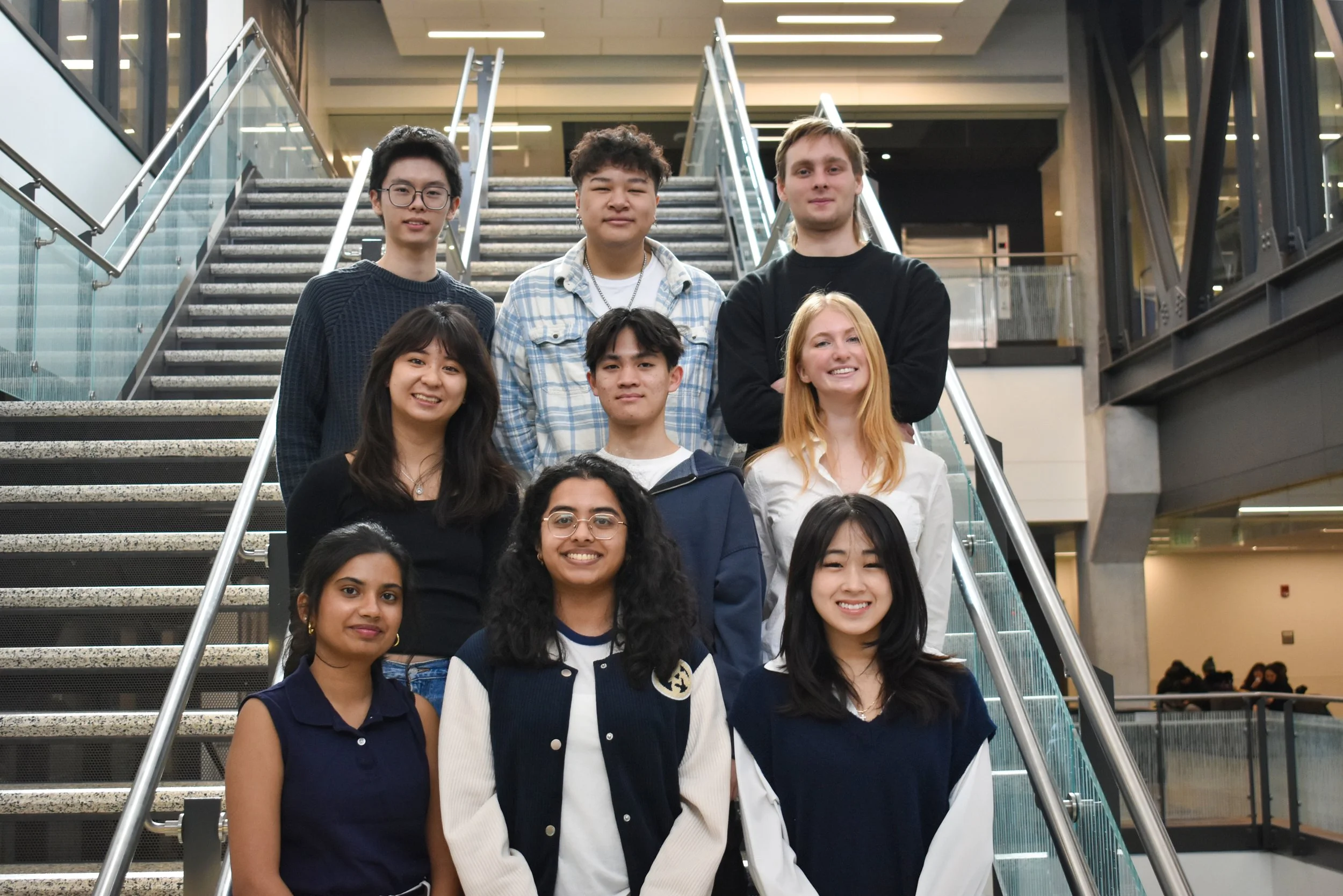
The Team
Anderson Tsan
Jaden Duong
Max Berent-Spillson
Allison Mau
Daniel Lin
Vipula Shirse
Mallika Venkatesh
Miyah Kim
Stephanie Deuschle
Timeline
Jan 2025
—
May 2025
Project Structure
01
Exploring the Current State of Autonomous Vehicles
02
Defining & Understanding Interactions of the Campus Ecosystem
03
Showcasing the Future Integration of Autonomous Vehicles
04
Final Deliverables
The Process
Exploring the Current State of Autonomous Vehicles
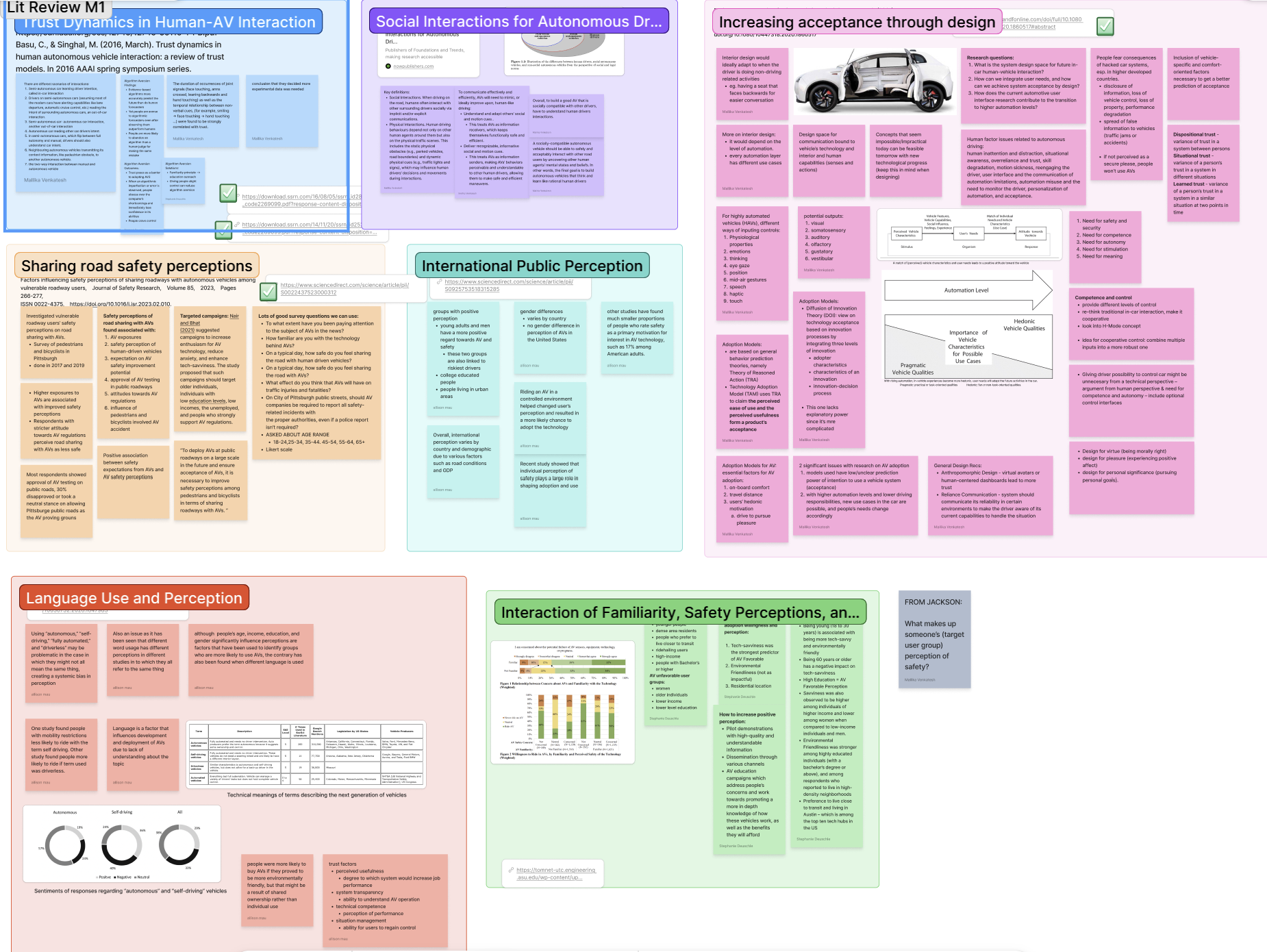
Literature Review
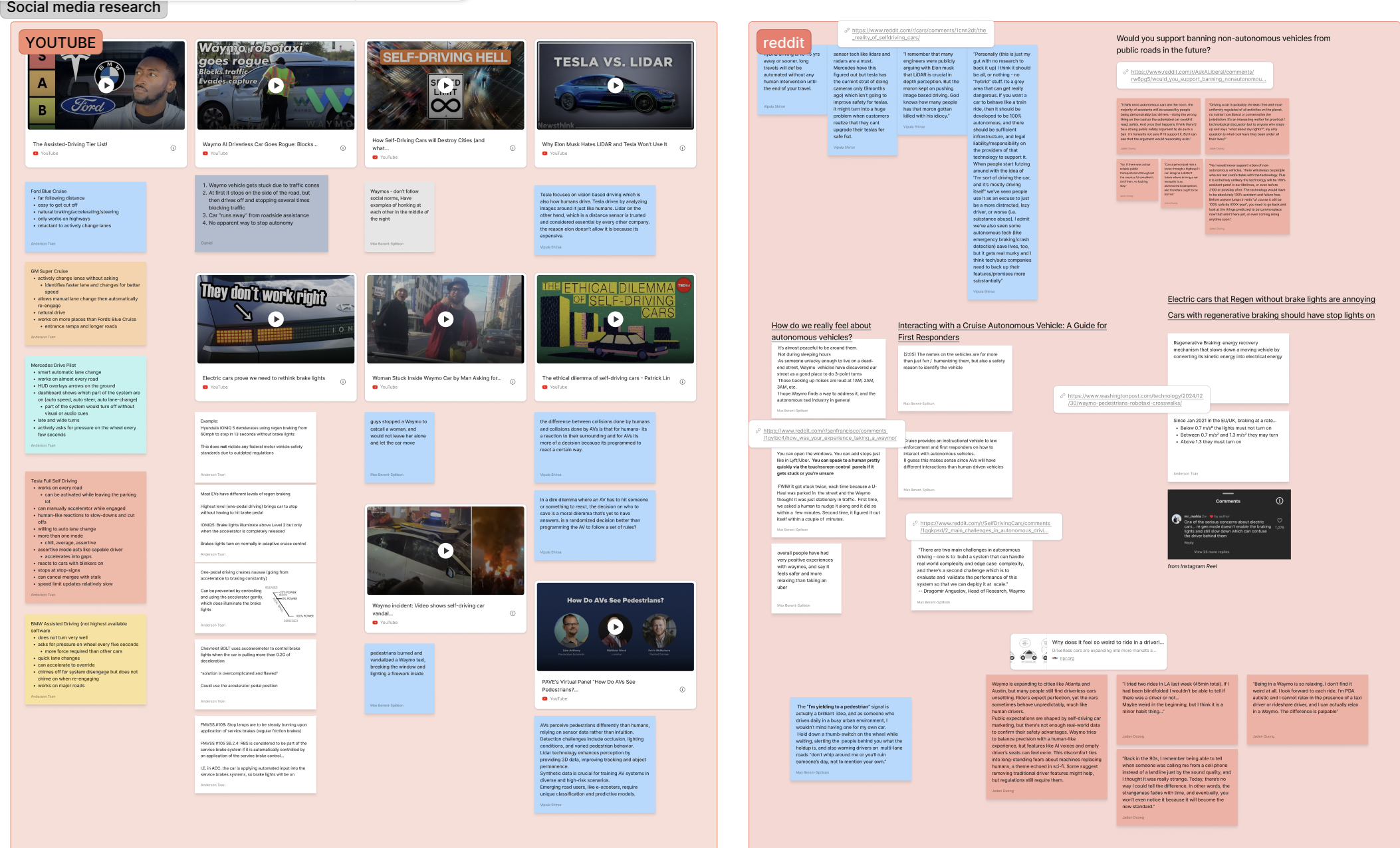
Social Media Desk Review
AV taxi services
Significant opportunities for growth & improvement in AV integration
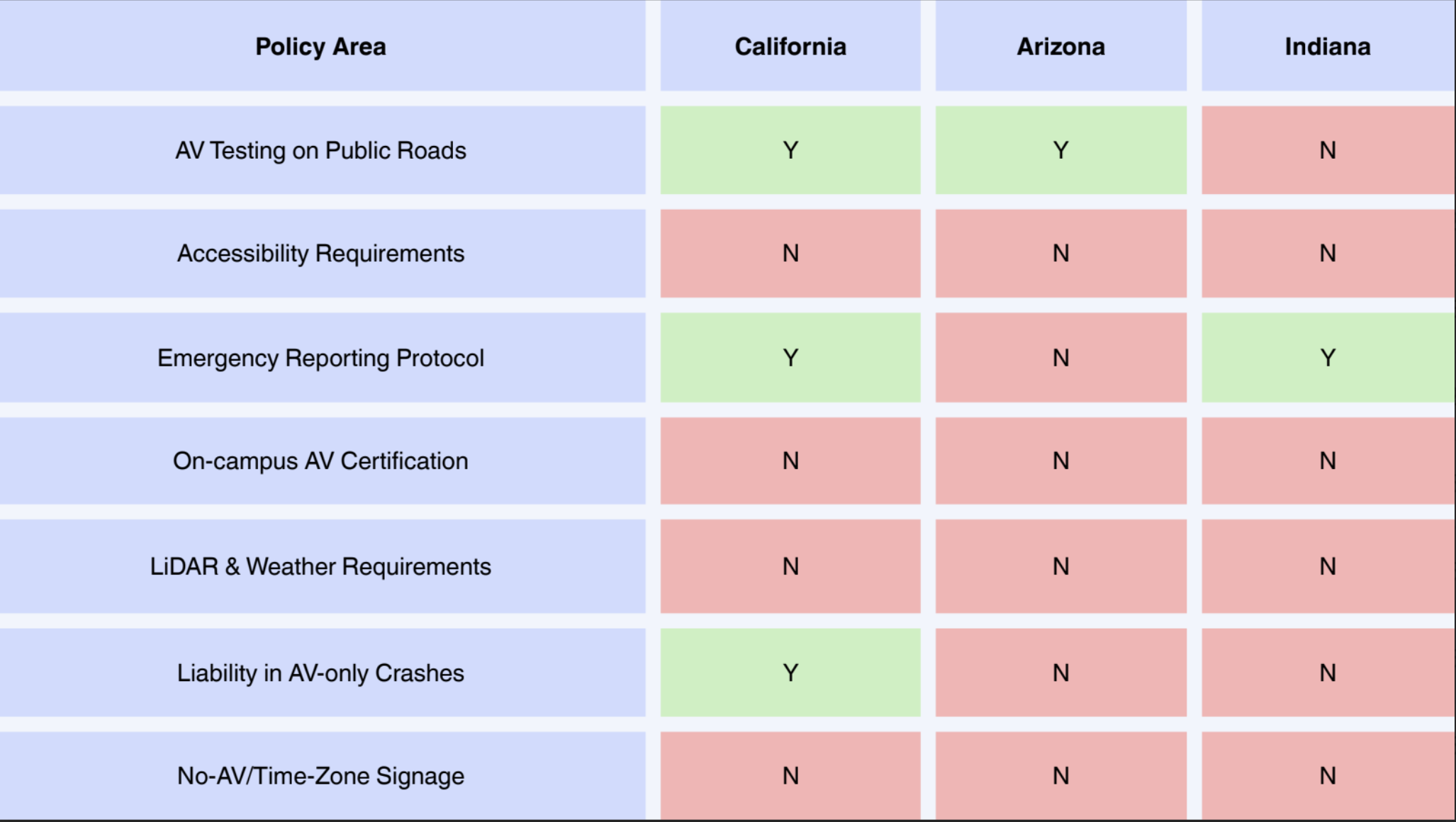
Policy Area Analysis

Tesla

Waymo
“As humans we’ve learned to pick up on little things and react accordingly, which autonomy might not be able to pick up on these nuances.”
Allow customization, such as adjustable seating and personalized climate control, to enhance comfort and UX
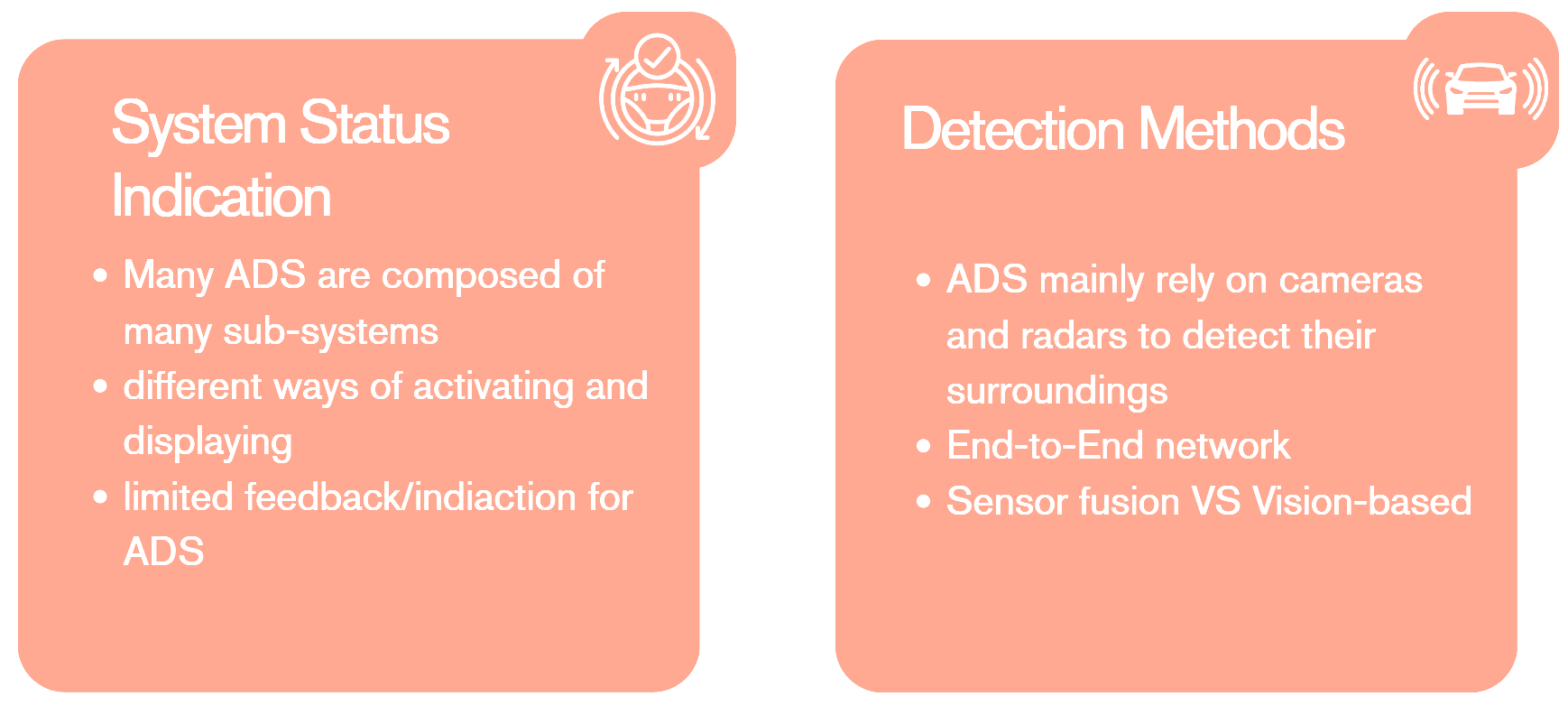
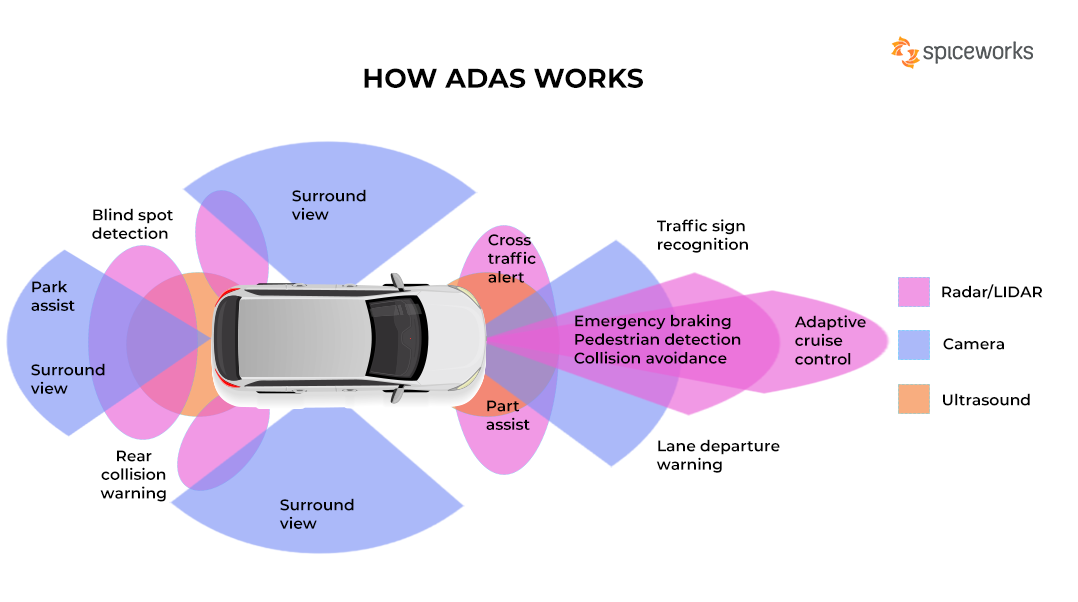
Pairing of LiDAR with cameras to enhance safety and accuracy
End-to-end network architectures to improve autonomous scalability and adaptability in diverse environments
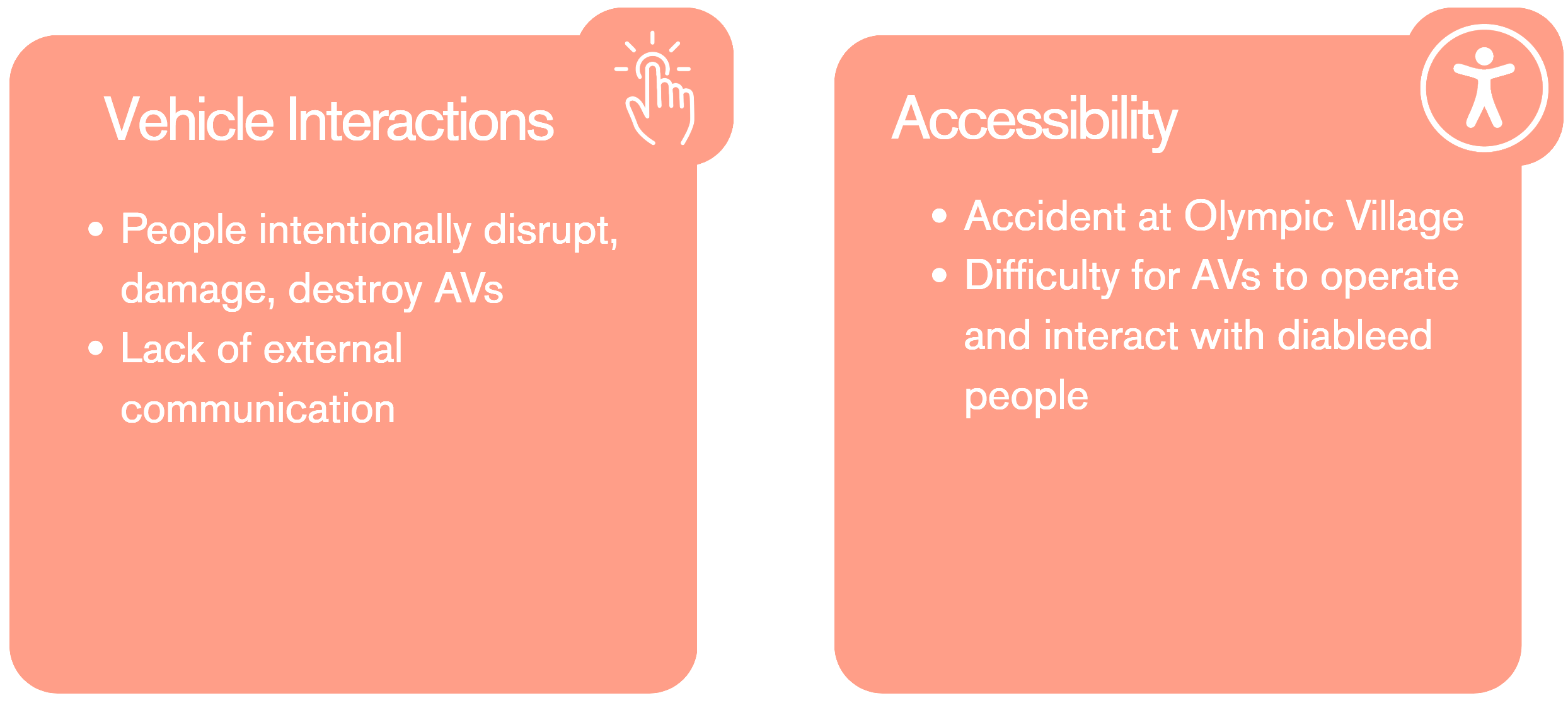
Clear external communication with pedestrians and vehicles via LED displays, auditory alerts, and projected signal
Emphasis on public transportation and accessibility
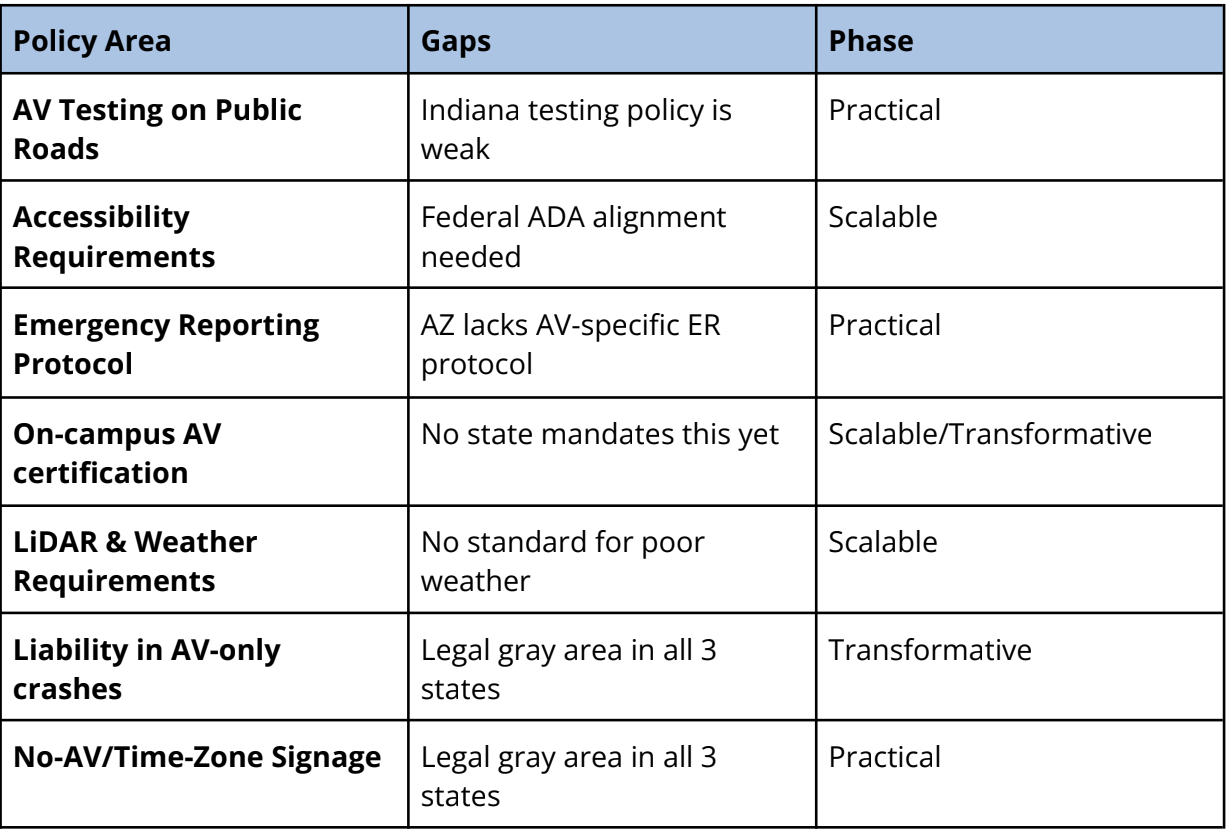
Identifying Gaps in Existing State Policies

Scale of Implementation
Practical
Scalable
0-2
years
California
Waymo & other AV leaders
Mature AV regulatory & testing environment
Policy Gaps & Phases for Improvement
5-10
years
Transformative
10+
years
SUV model structure
Repurposing parking spaces into green areas, pedestrian zones, or mobility hub
Dedicated AV lanes in high-traffic areas to enhance efficiency and safety
Advanced detection and prediction models for handling unpredictable human behavior
Implementation of publicly-owned AVs to reduce the need for privately-owned vehicles
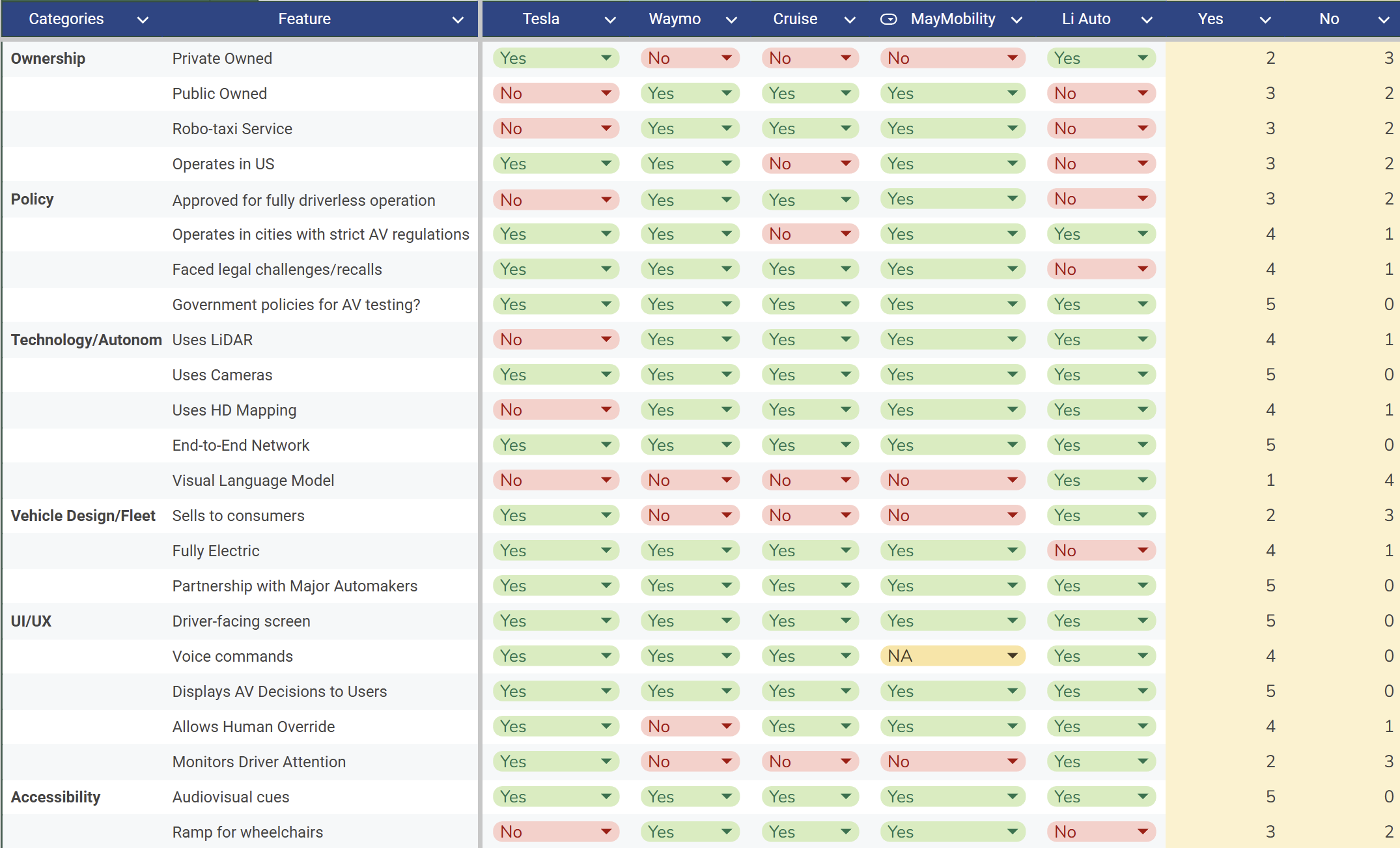
Comparative Analysis
Subject Matter Expert Interviews

MayMobility

Li Auto
“Reduction of private ownership is in everybody’s favor... the world will be safer, environmentally too, especially with fewer vehicles on the road.”

Arizona

Indiana
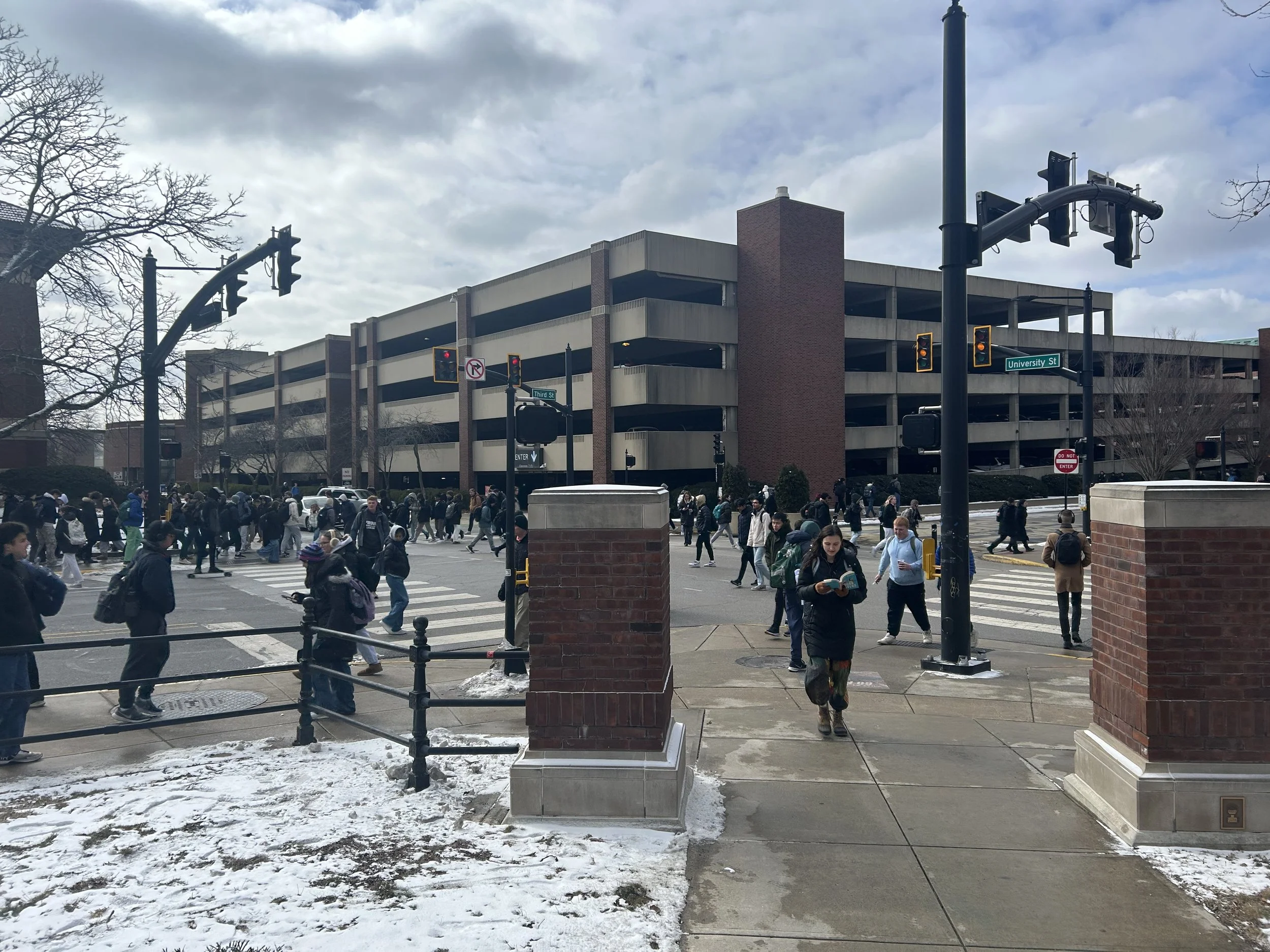
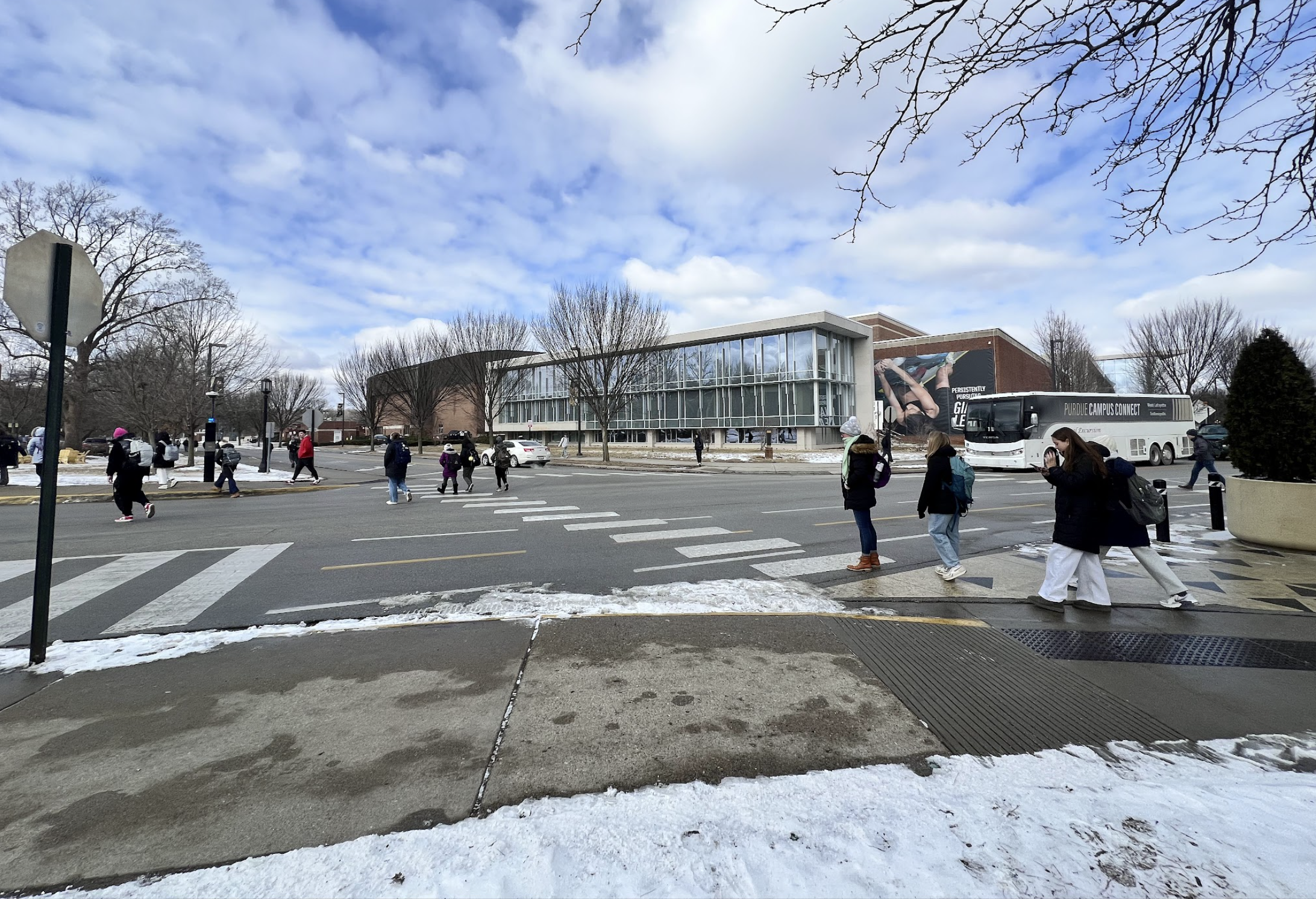
Case study & observations conducted at Purdue University
Design & Programming
Infrastructure
Policy Recommendations
Defining & Understanding Interactions of the Campus Ecosystem
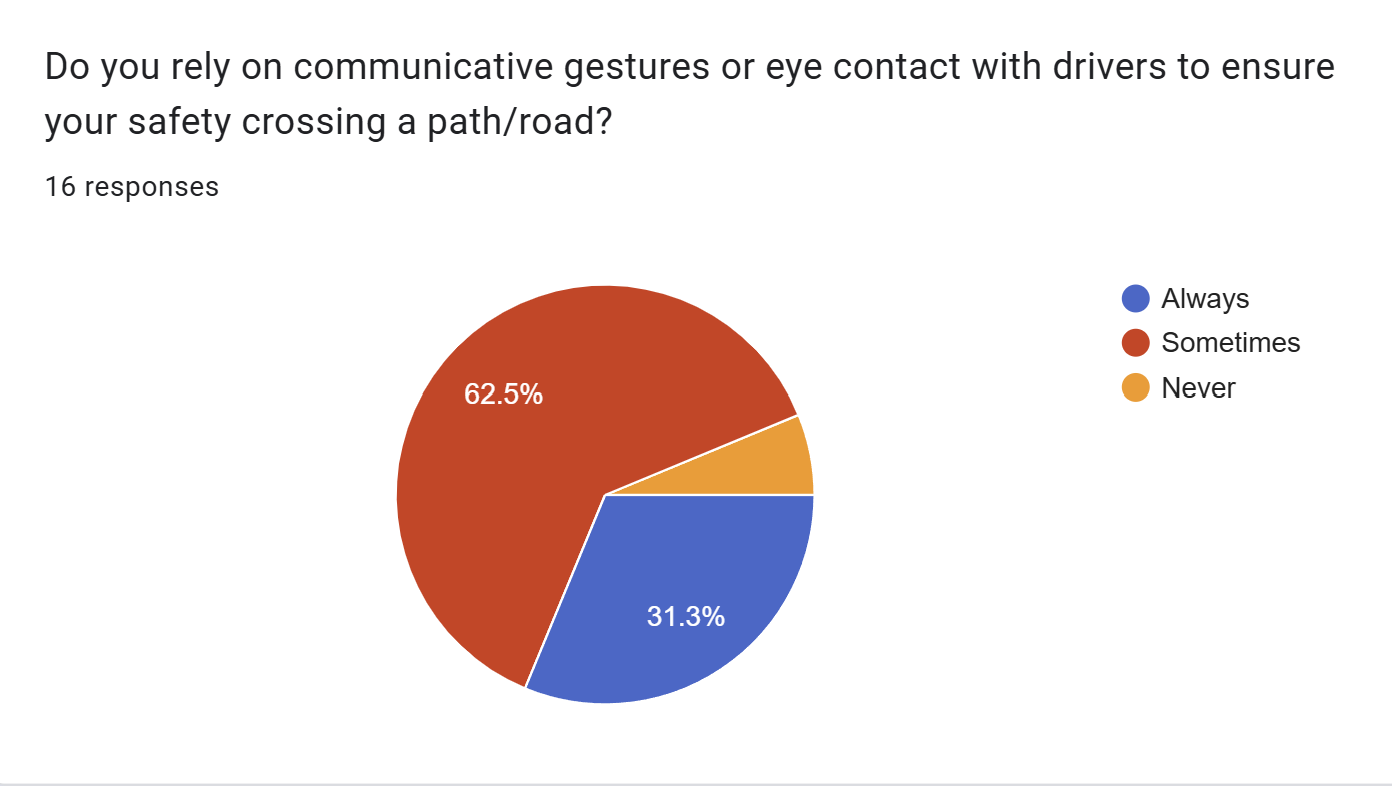
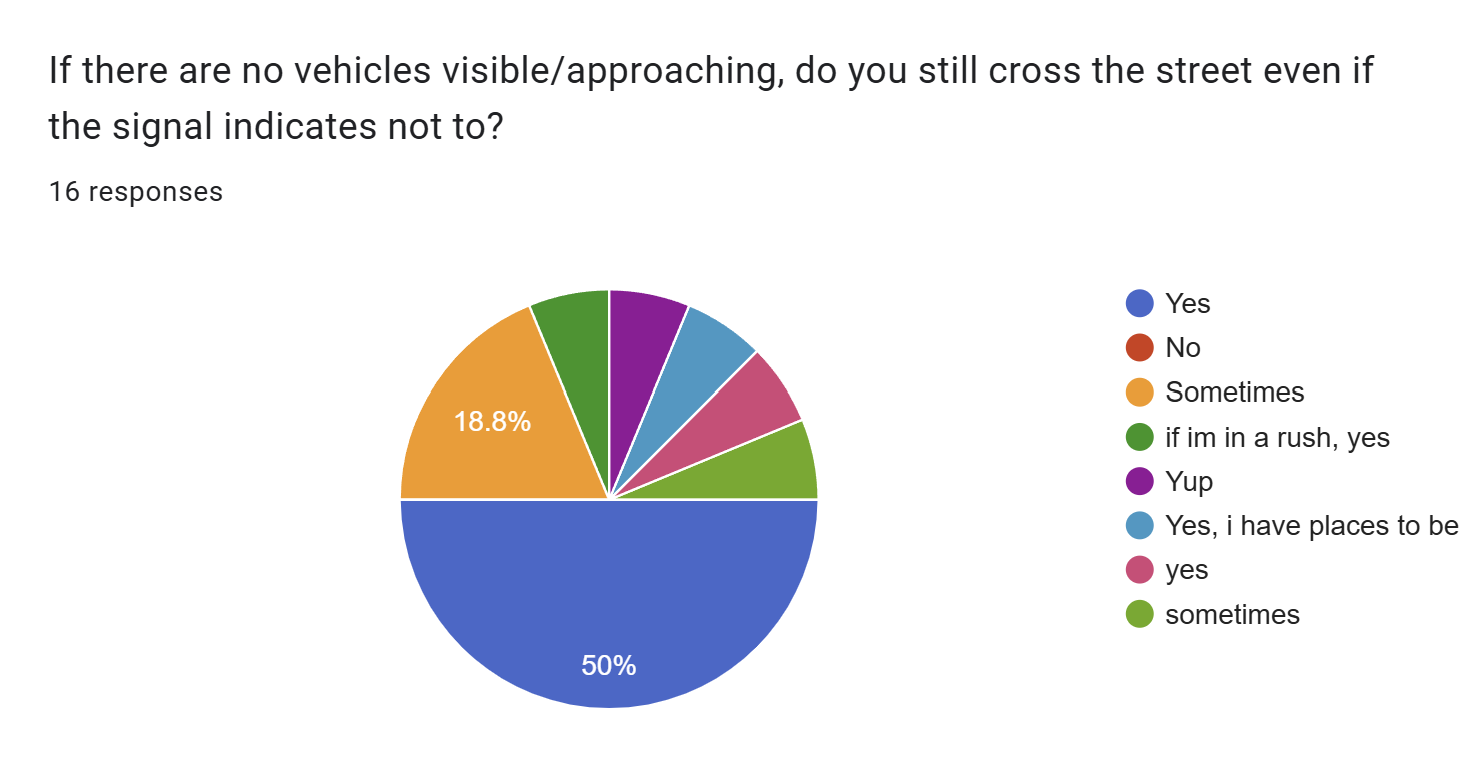
User Survey
Observations
Focus on passengers of public autonomous vehicles
User Interviews
Non-Automotive Vehicle Users
“It’s like seeing a car from the 50s. You’re curious on the outside but you’re concerned about how long it can last.”
“I’m concerned about its capability to react, but inability to predict what a pedestrian can do. People driving a car are able to have better pattern recognition.”
Ecosystem Map
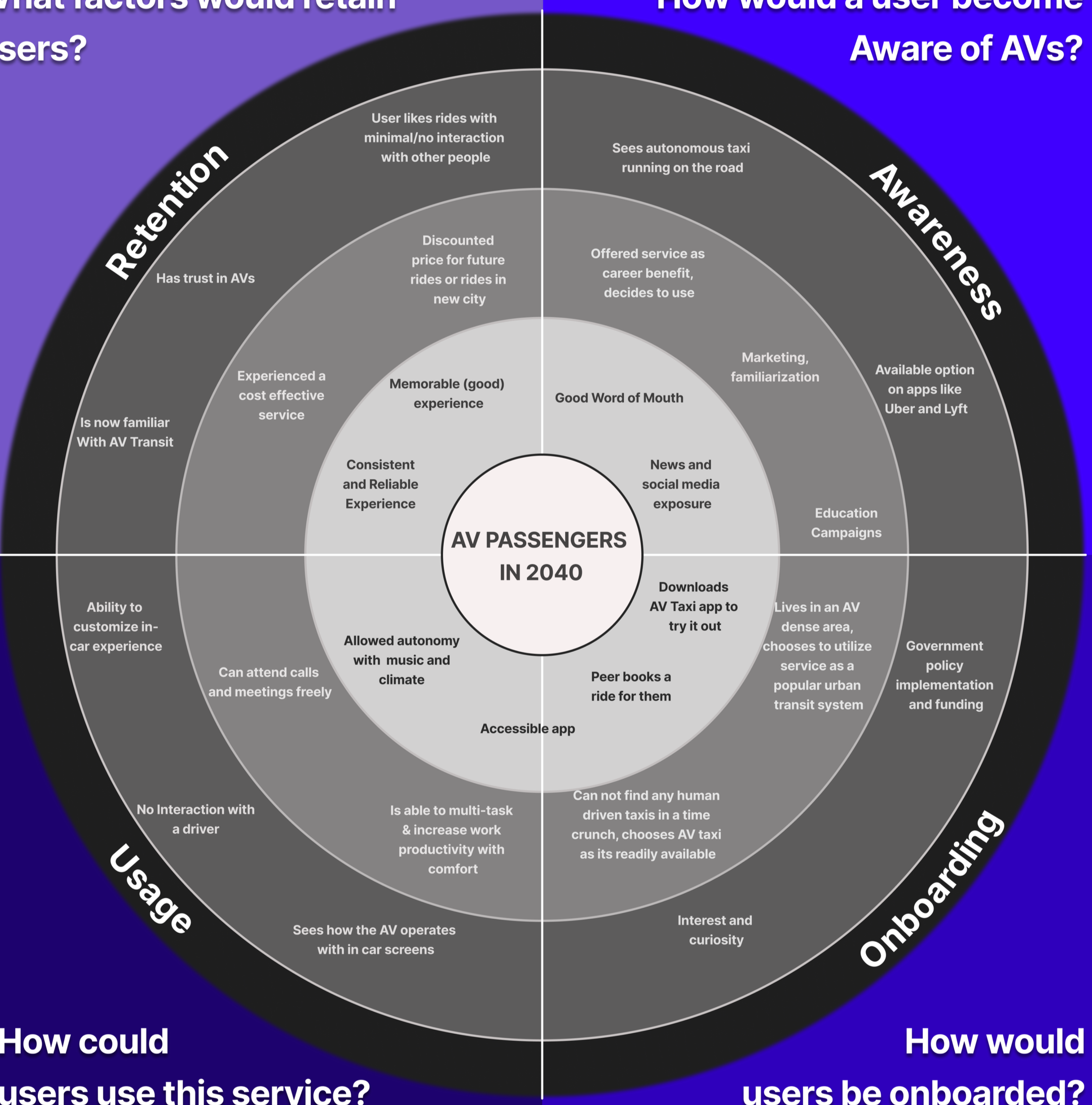
Predicts the state of the autonomous vehicle customer journey in the year 2040
Showcasing the Future of Autonomous Vehicles on College Campuses
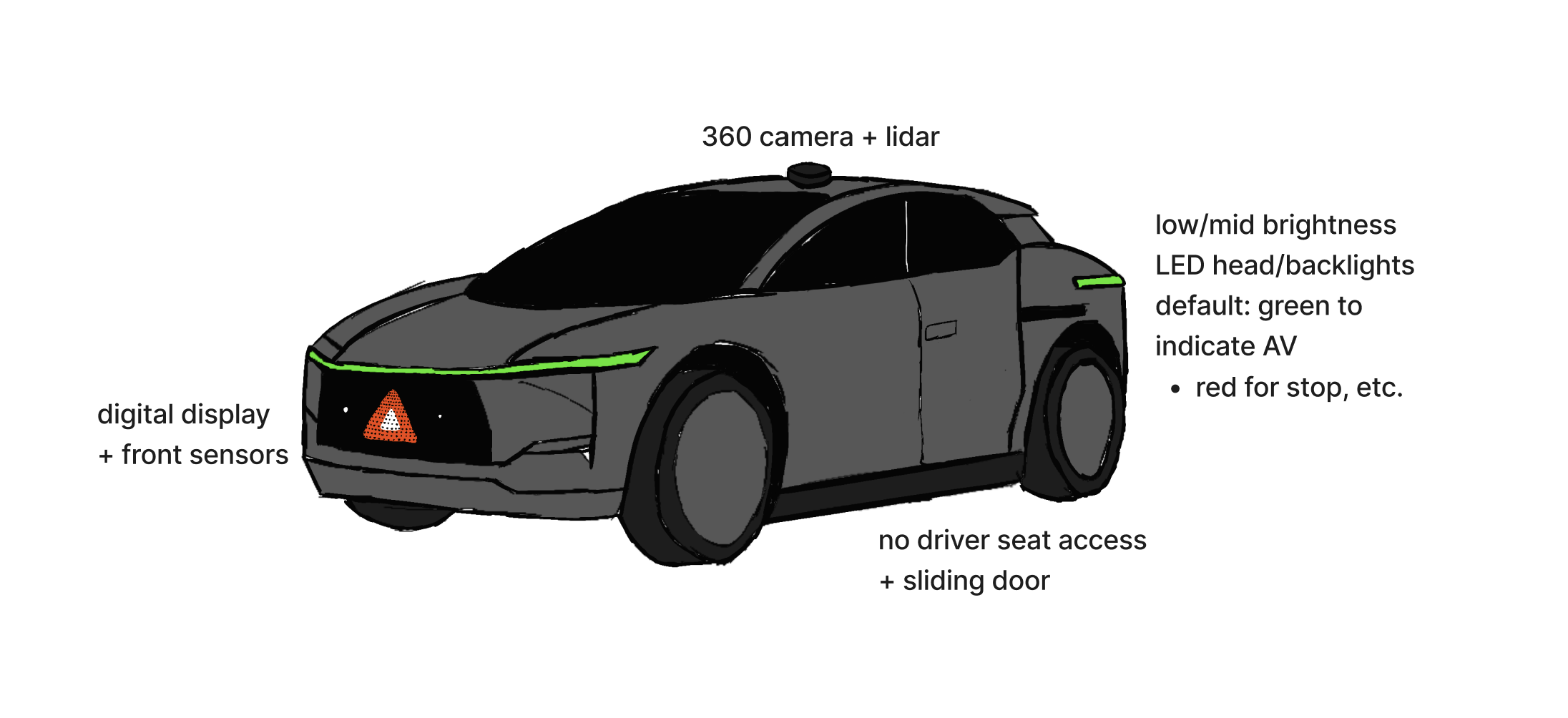
AV Exterior
Prototype
Practical
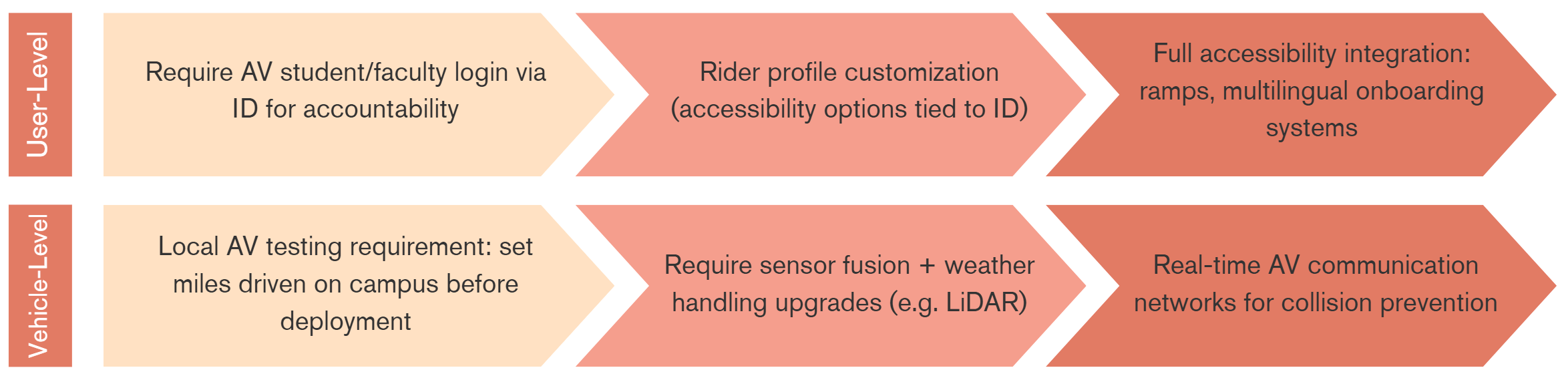
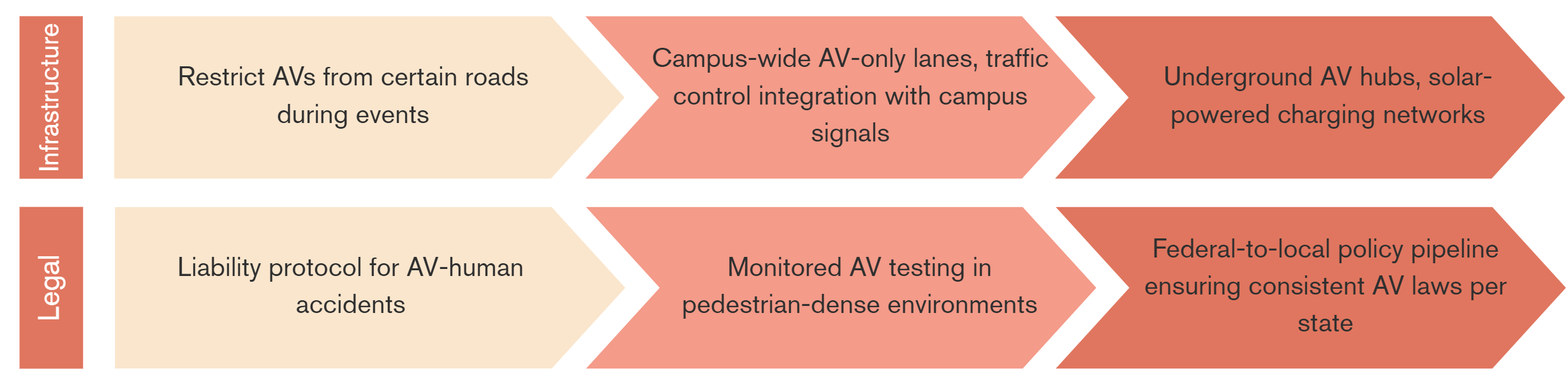
01
Policy Recommendations
02
AV Prototypes
03
Design Fiction Vignette
Policy Recommendations
Scalable
Transformative
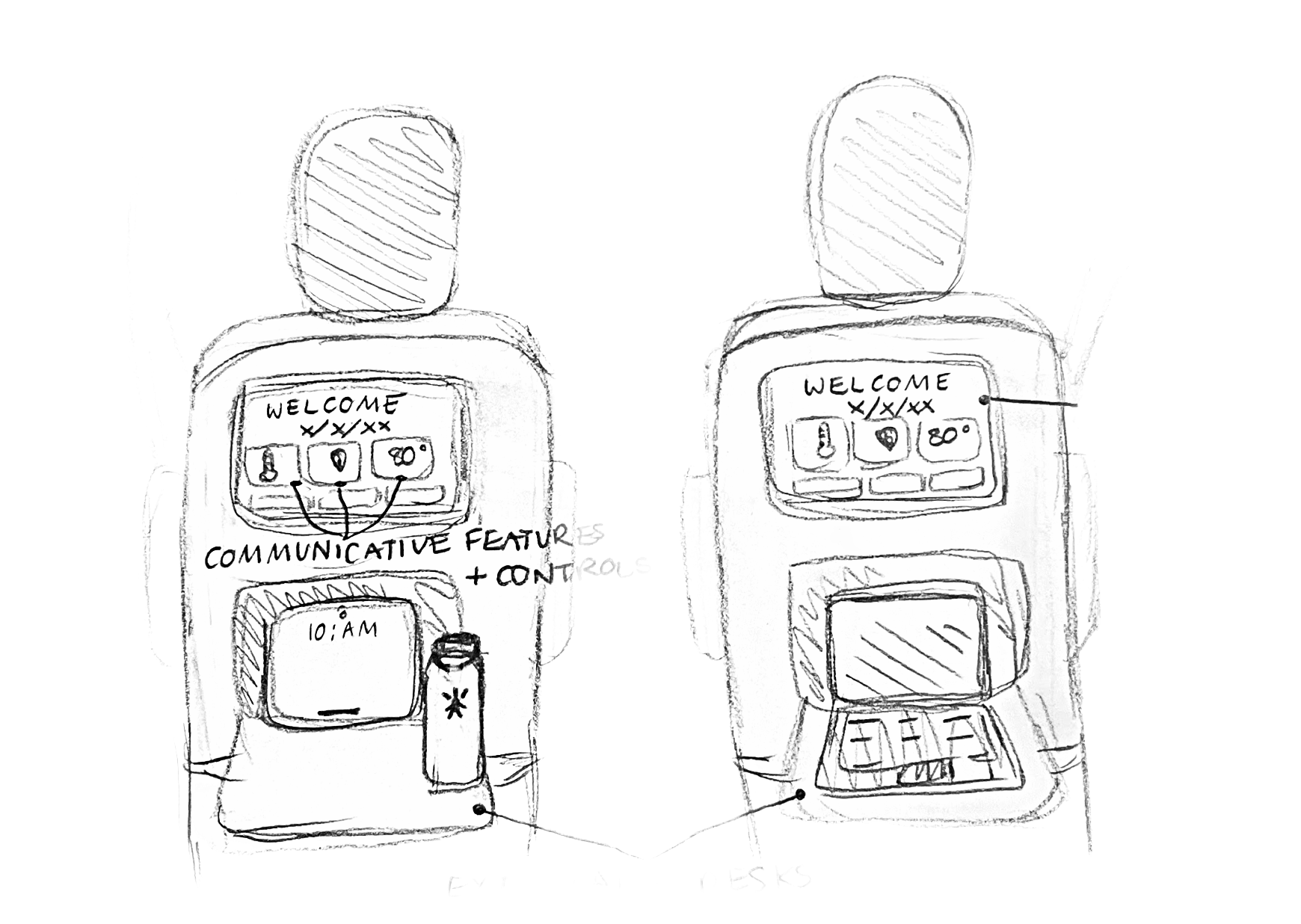
Ideation to Shape Our Designs
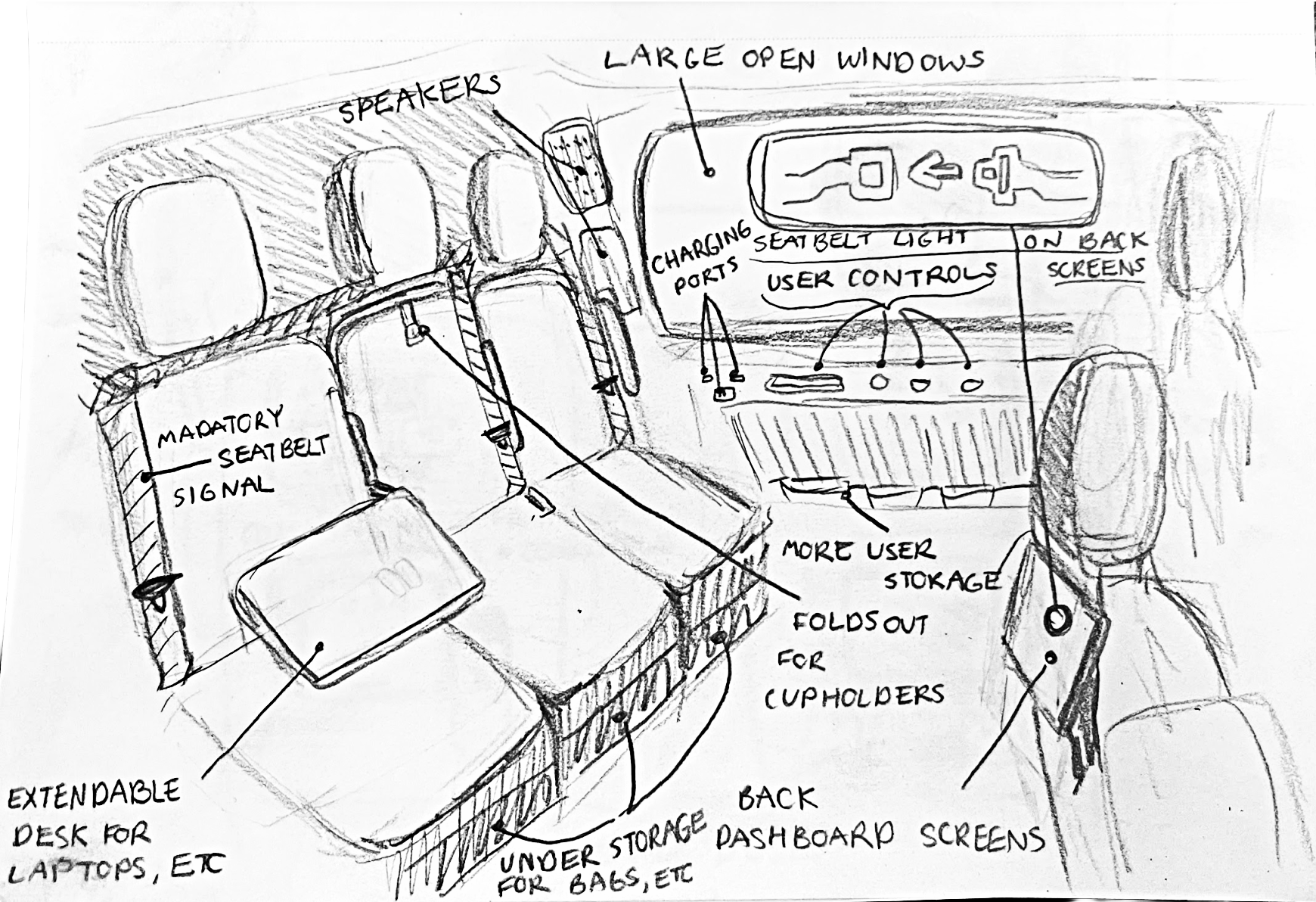
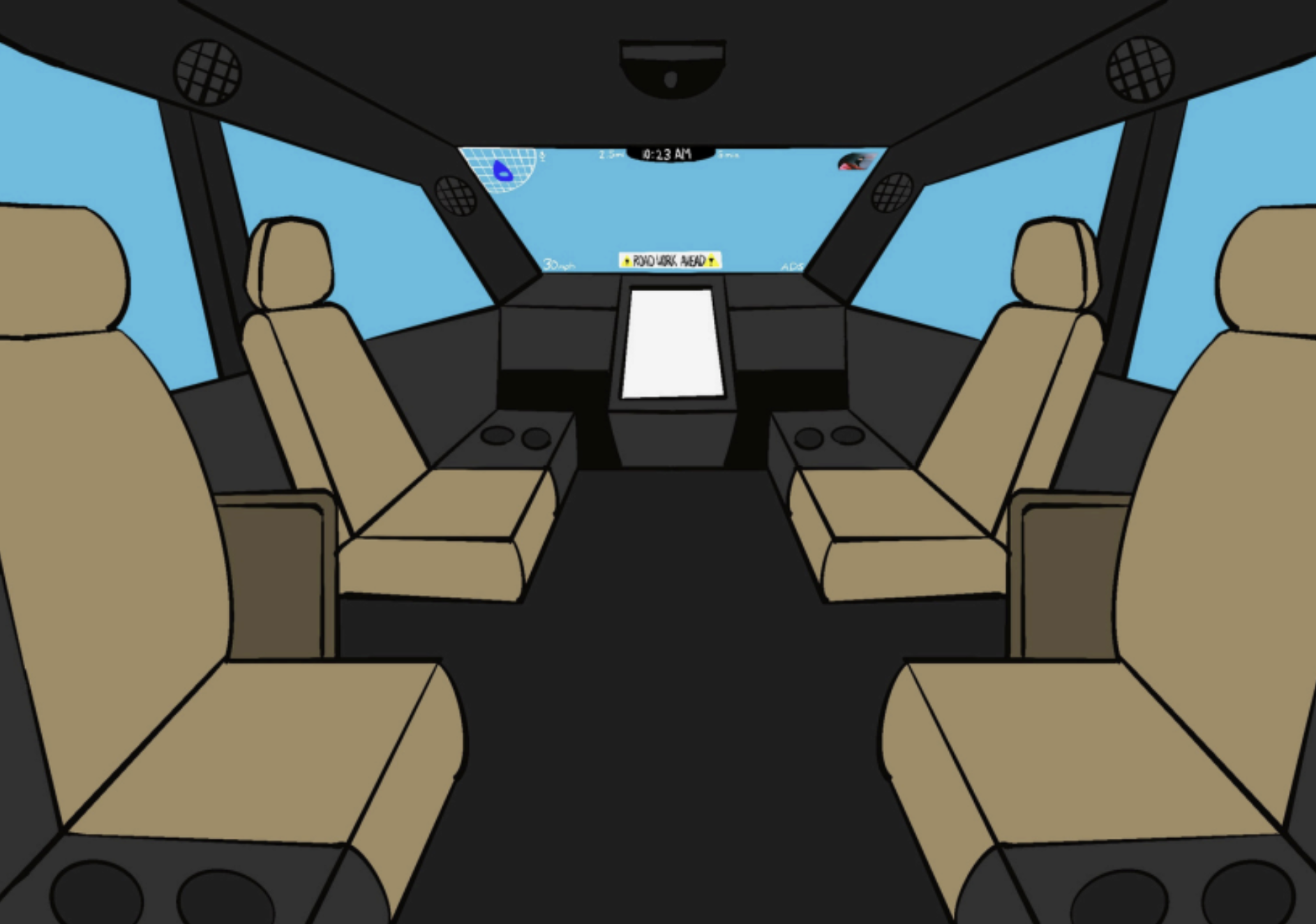
AV Interior
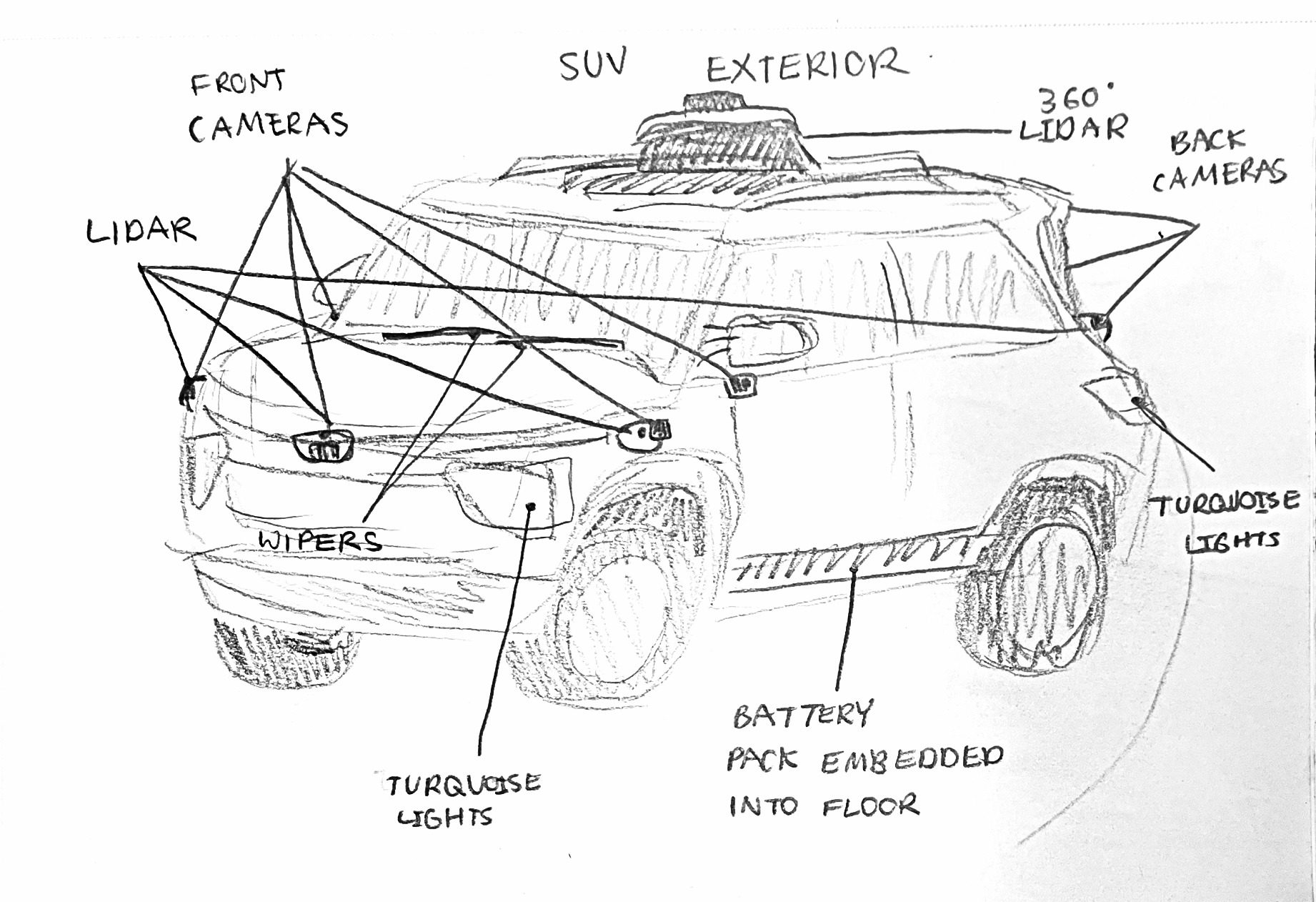
AV EXTRERIOR
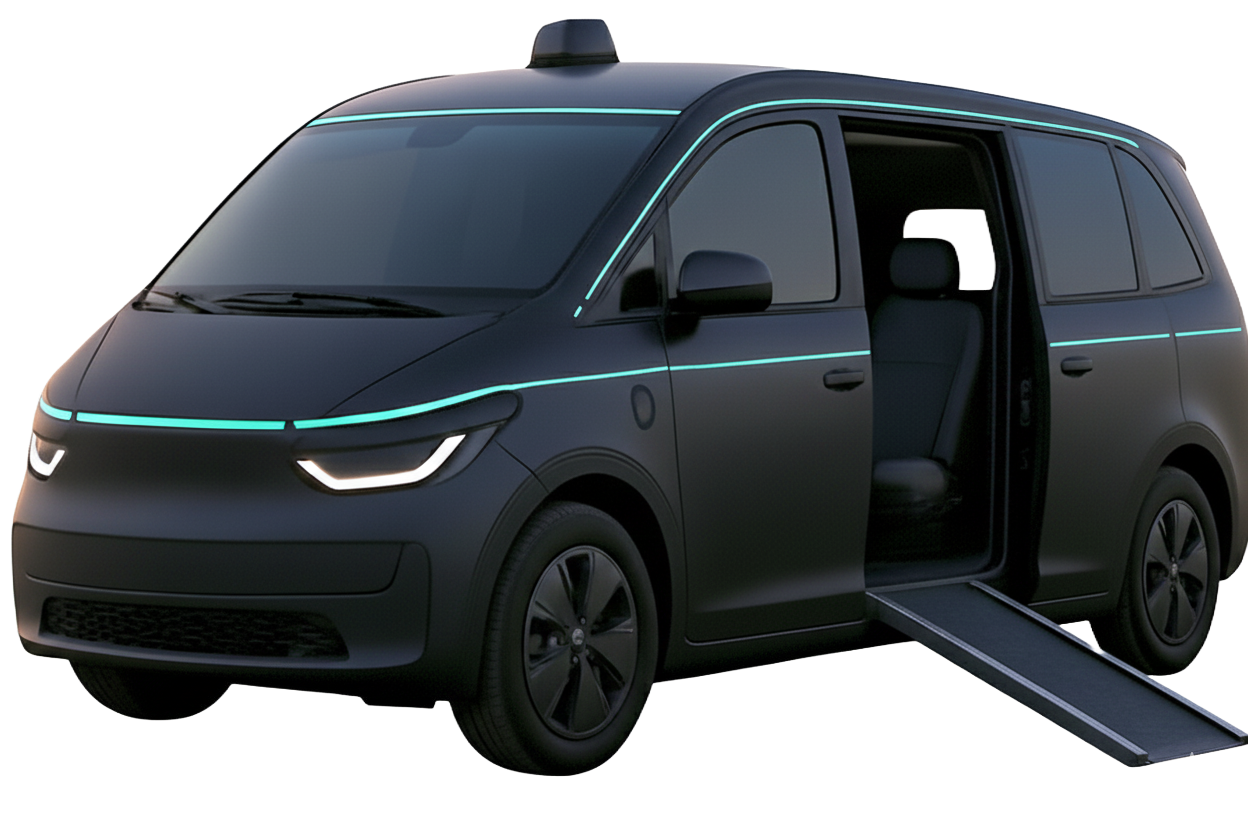
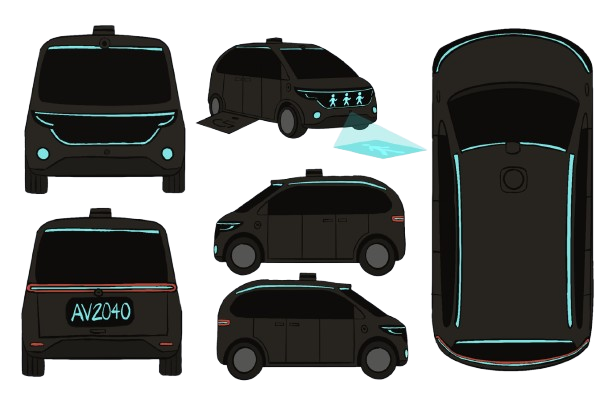
Turquoise Headlights
Front & Back Bumper Screen
Projected Crossing Signals
360 LED Signaling Lighting System
Exterior Speakers
360 Camera & LiDAR System
Removal of Side-View Mirrors
SUV Model
Sliding Doors
Ramp for Wheelchair/Stroller Access
Tinted Windows
Prototype
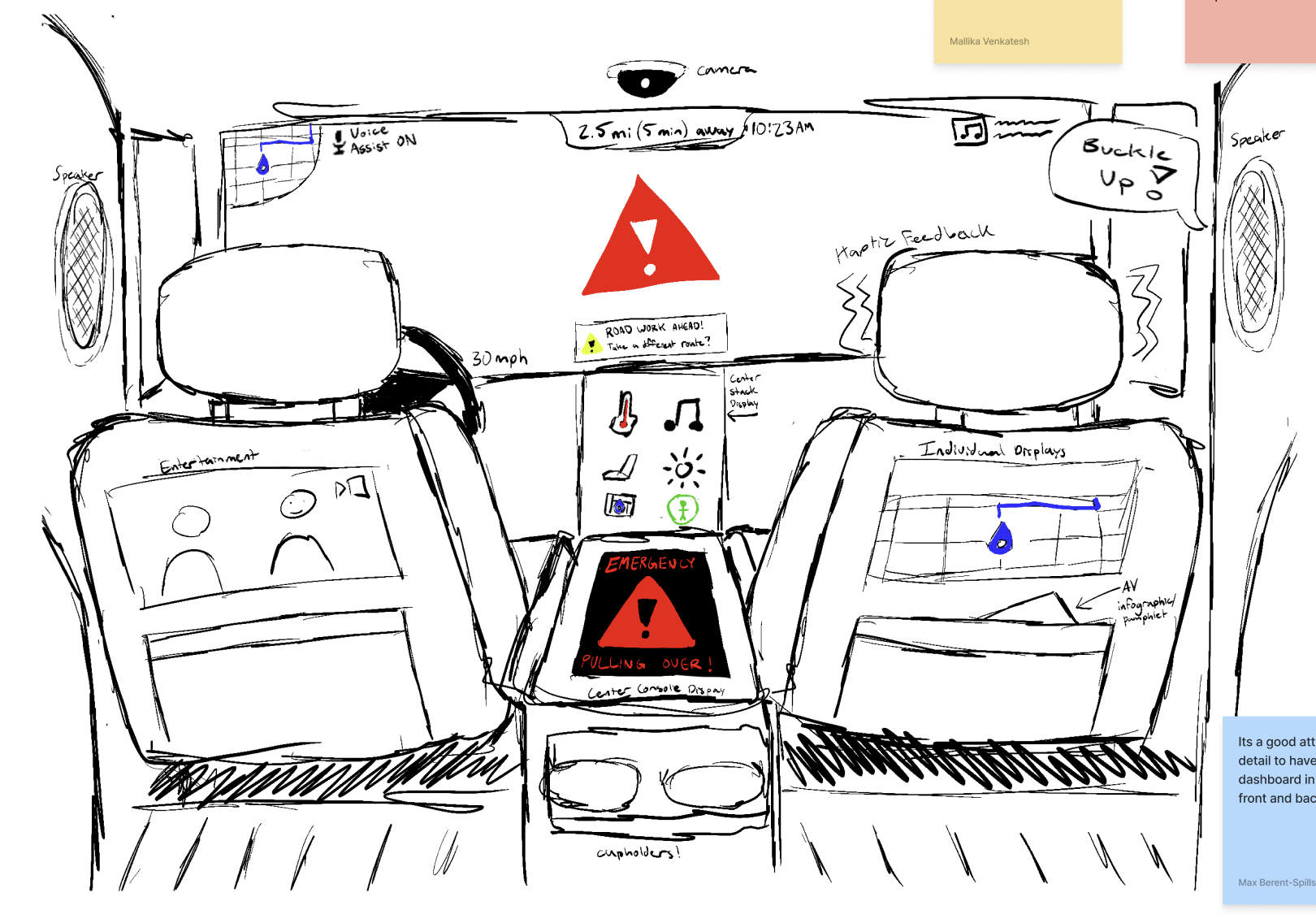
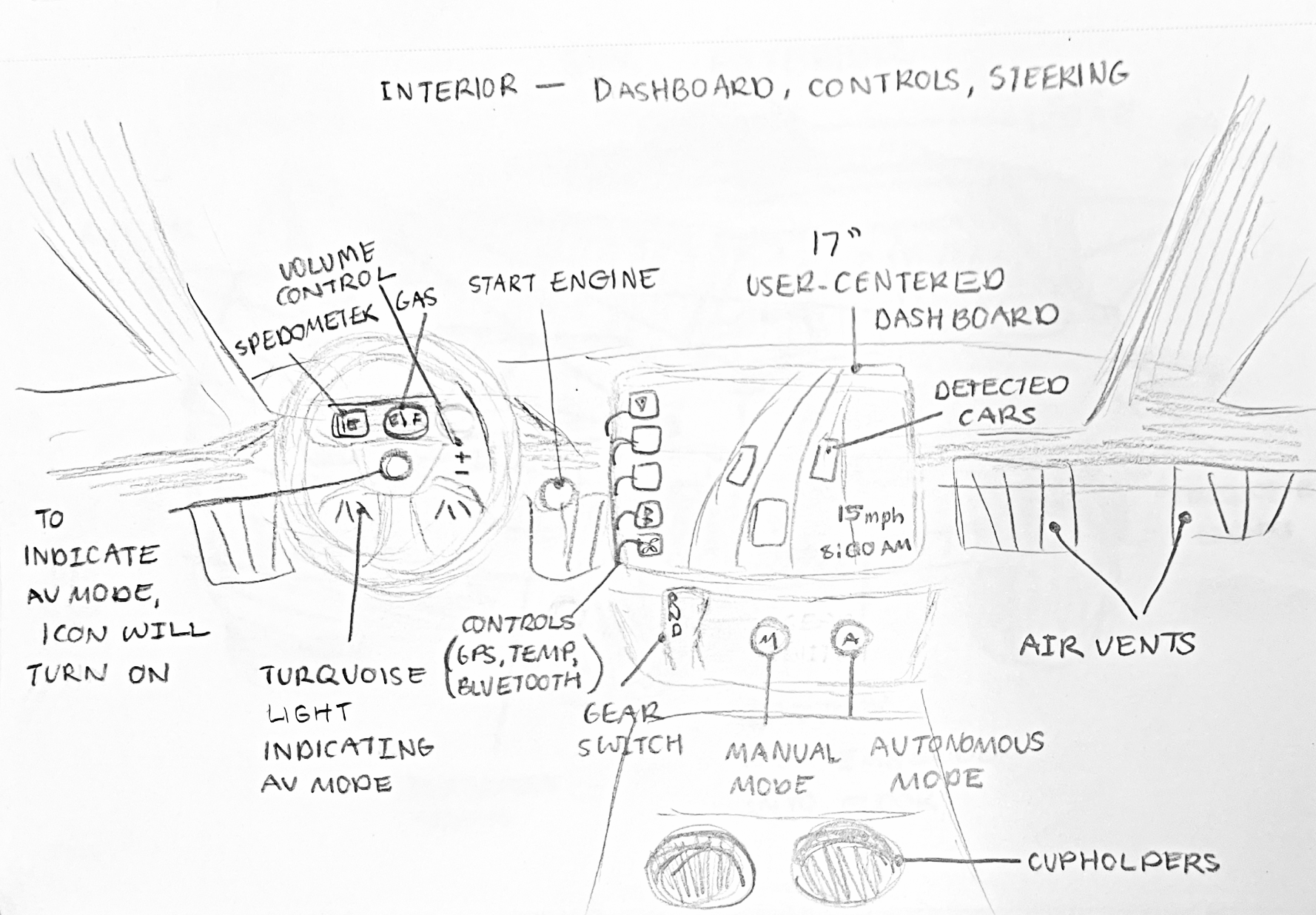
AV INTERIOR
Removal of Steering Wheel
Rearranged Seating
Foldable/Extendable Tables
Head-Level Speakers
Haptic Feedback Installation
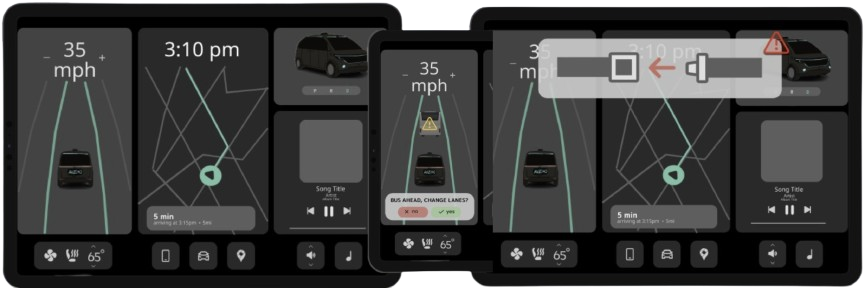
Full-Size Heads Up Display (HUD) on Windshield
Center Stack Display
Lights to Indicate ADAS/AVA Activation
Camera Monitor
Prototype
Interactive Touchscreen Display
Constant Display of AV’s Environment & Decision Process
Display of Alerts, Hazards, & Suggestions
Navigation Map Presenting Destination & Onset Time of Arrival
Customization Comfort & Media Controls
PASSENGER INTERFACE